

Με μία ματιά...
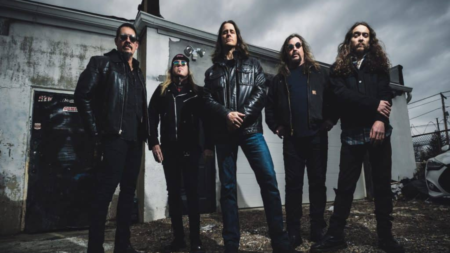
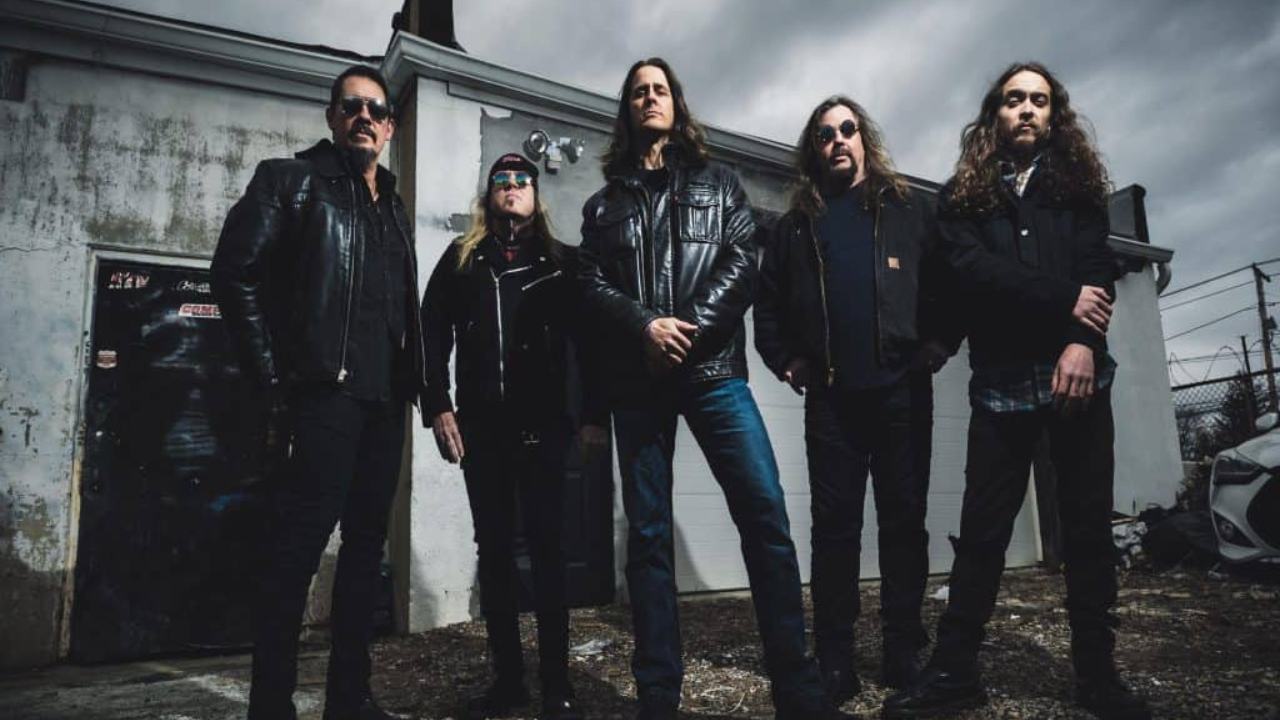
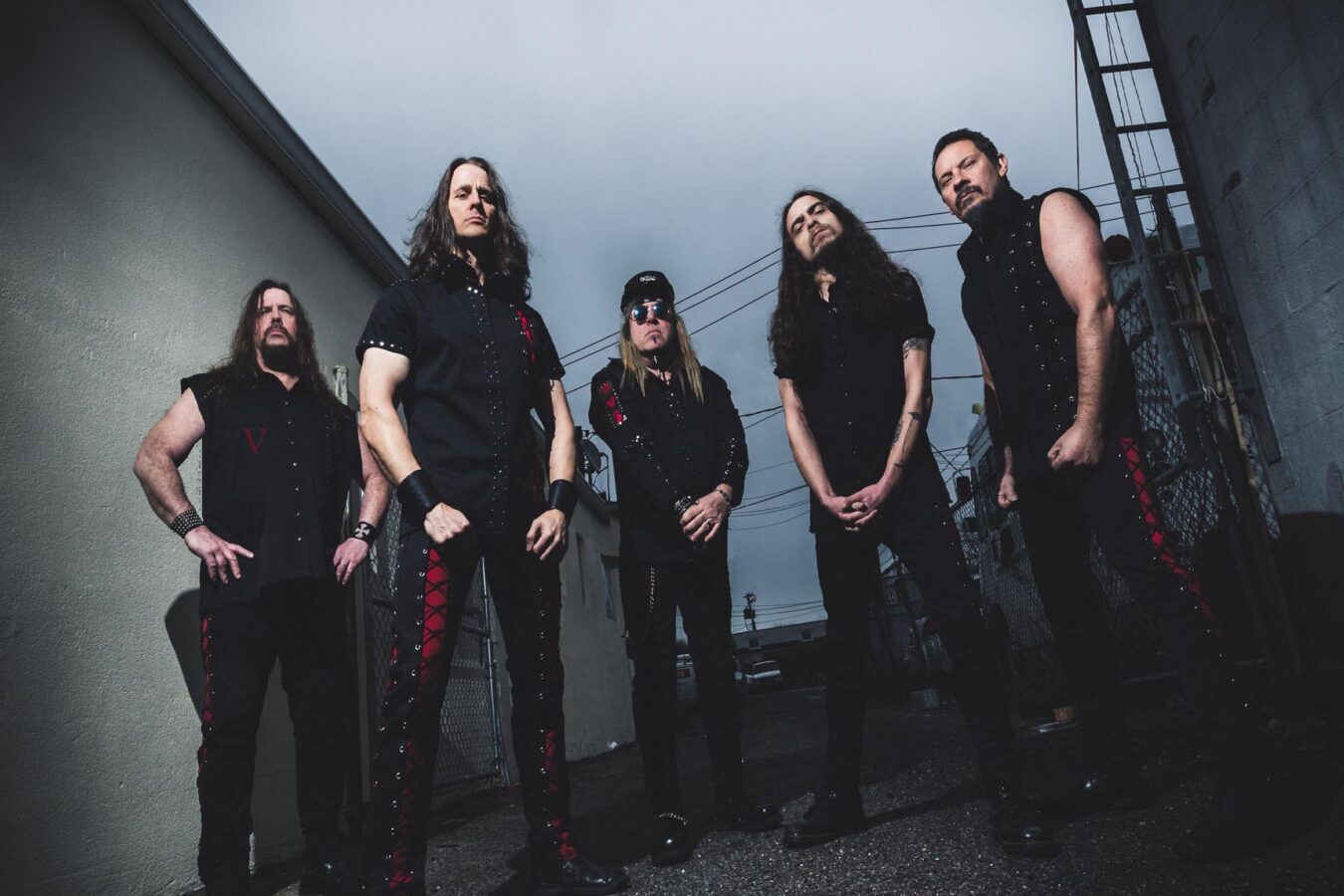
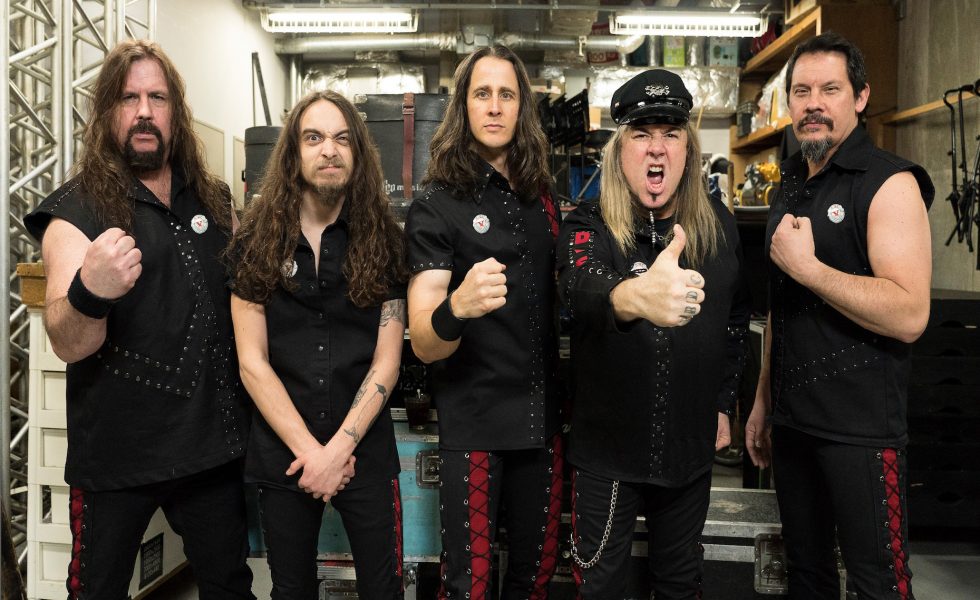
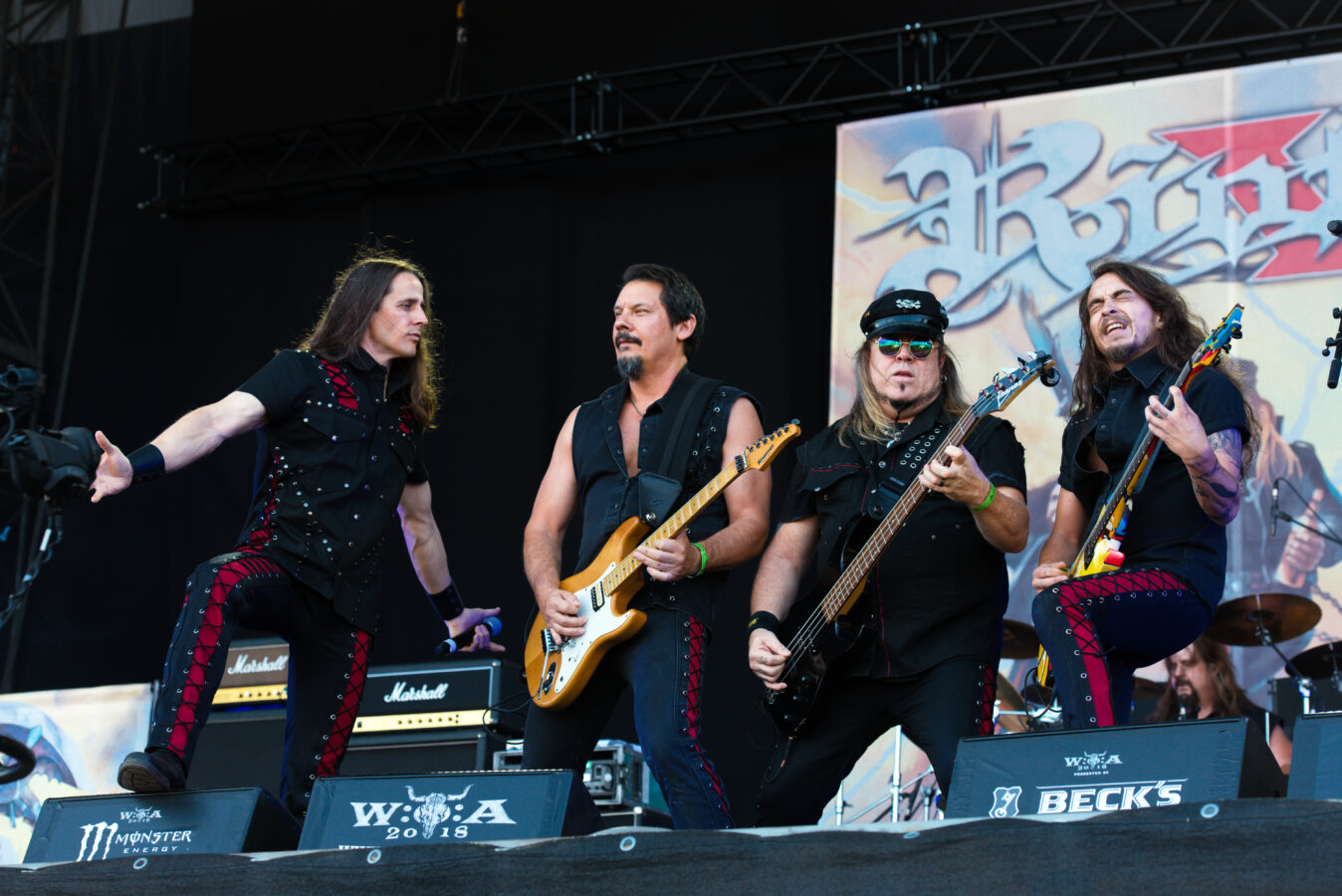
Riot V, the continuation of the New York heavy metal band Riot founded by Mark Reale in 1975, mark their fiftieth anniversary in 2026 with a tour that stops in Greece. Bassist and band leader Don Van Stavern, a member since 1983 and one of the people behind the 1988 power metal landmark “Thundersteel”, looks back on five decades of lineup changes, setbacks and comebacks. He also explains what happened on vocals this year and where the band is heading next.
- Greek audiences can expect more songs from the Mike DiMeo era, next to staples from “Thundersteel” and “Fire Down Under”.
- Johnny, the helmeted seal on Riot’s covers, came out of the 1970s protests against seal hunting, an idea of an avant-garde artist connected to producer Steve Loeb.
- Guitarist and singer Valentino Francavilla covers the 2026 dates after Todd Michael Hall’s sudden exit and is the likely voice of the album planned for 2027.
Fifty years after Mark Reale started Riot in New York, the band is still on the road. As Riot V, with Don Van Stavern at the helm, they come to Greece this November for three shows celebrating half a century of US heavy and power metal. Van Stavern joined in 1983, helped shape “Thundersteel” and has kept the name alive since Reale’s death in 2012. He talks to DEPART about the seal on the covers, the bad luck of the early years, the sudden change on vocals and the formula he still follows when he writes.
Welcome to DEPART. The band started in 1975 in New York and has now reached fifty years, something almost no other act in this genre has managed. Tell us what keeps this name alive after so many changes, which year came closest to ending it all, and what you would say today to somebody who assumes a fifty-year-old band goes on the road for nostalgia alone.
Don Van Stavern (Riot V): Riot began its journey in 1975. Even before I was in the band, Mark told me several stories of how the band’s style was created. Mark liked a lot of the older rock and channeled that, but he added his own style, which was a little more aggressive. When I first heard the band, the music was very good and unique compared to a lot of bands of that era.
Mark used to say the longevity of a band is through good music, so if you keep producing good music, you will keep your following and progress. The band has had many member changes and different styles, but each album holds its own and the band is known for creating quality music for many years. A lot of bands were influenced by Riot, including the mighty Metallica and others.
I continue using the same formula Mark taught me with the fifth chapter, and how he would have wanted me to continue, performing and writing music. We definitely do this for the legacy and the fans, ’cause we don’t make a hell of a lot of money!
In 2012 Mark Reale sadly passed away, and the band had to decide what came next. It returned under the name Riot V, which was both a continuation and a mark of respect. There must also have been a case for stopping there. How was that decision made, who argued for it first, and what do you think he would say if he saw this band playing his songs in three Greek cities in 2026?
It was a hard decision after the untimely passing of our leader, Mark Reale. It took us a couple of years to decide to move forward with the legacy. I decided to get it going and manage the band as well, since I have so much history with Riot. We did speak with former band members and, of course, Mark’s father, Tony. Through member changes and different styles of music, you have people liking different things, but thankfully, during all this, we were able to move forward.

I started writing new music and talked with Mike and the record labels after a while, and everybody seemed to be on board and they loved the new material, so we moved forward with the fifth chapter. When the album “Unleash The Fire” was released and we did some festivals, the fans were there for us, so that kept us moving forward.
One of the things that made us move forward was Mark’s father telling us, “Please don’t let the music die with my son.” That makes his memory live on, and that was enough for us to continue. I know Mark is looking down at us and appreciates us moving forward, like he wanted before he passed away.
Almost every album cover carries the same figure, a seal in a helmet, something that looks like nothing else in heavy metal and has become your signature. Very few people know where it came from or why it survived for decades. Tell us the story behind that choice, how the labels reacted in the early years, and whether there was ever a point when you considered dropping it.
That is one of the most asked questions! Like most heavy metal bands, Maiden has Eddie, Megadeth has Rattlehead, we have a baby seal! To make a long story short, the brother-in-law of Steve Loeb, the producer at the time, was an avant-garde artist and came up with the ideas for the covers. Back then there was that seal-clubbing dispute, so he used the covers as a way of them getting back at the humans, like shown on the “Rock City” album cover.
They decided to keep him, and although he’s kind of quirky, he is very familiar with the Riot band. The original name was the Mighty Tior, but when we continued on and we used Johnny in a lot of our songs, we decided to call him Johnny Tior. When we continued with the fifth chapter, we decided to make him very built and massive, like a warrior!
We will continue to use him on future records, and we always get “the band with the best music and the worst album covers”! Hopefully this is changing with a revamped version of Johnny Tior!
In the early eighties the band was up against label trouble, a record that sat on the shelf, and confusion with another group whose name was close to yours and who were selling millions, a run of bad luck so unfair that it ended in the band stopping. Four years later came “Thundersteel”, with a new lineup and a much faster, more aggressive sound, and today it is regarded as a cornerstone of US power metal. Tell us what cost you the most in that first phase, how the new members came together for the second, who pushed for that shift in sound, and how much of a risk it felt like at the moment you were starting again from nothing.
I joined the band in ‘83 with Mark and members Sandy Slavin and Rhett Forrester, after the band was on hiatus after “Born In America”. Mark would come to Texas and rehearse with my band, (Texas) Slayer, to keep his chops up. When he decided to go back on the road with the band, Kip Leming decided he didn’t want to go, so he chose me to be the bass player. I’d been writing music with Mark for quite some time and even wrote four songs on “Born In America”, even though I wasn’t in the band.
We shopped to record labels to no avail, and the music scene was changing a little bit, so we decided to move in a different direction, like the Narita band music. The songs “Thundersteel” and “Fight Or Fall” were Mark’s solo band Narita songs. At the time, Priest and Maiden were really popular, so we went more in a metal direction. Me being in a power metal band and Mark being in a hard rock band, the combination worked.

Sandy wasn’t into this style of music, and Rhett wanted to try it but bowed out, so we had to get musicians. Some of the studio managers knew a couple of people, and one told us about Tony Moore. We had Tony come down and audition and sing some new demos and classic songs, and we were sold. He had a very awesome voice.
The first drummer, who played on four songs, was Mark Edwards from the band Steeler, where Yngwie came from, and then he had a commitment with the band Lion, so we needed to find a drummer. Since I played with Ronnie in Slayer and his brother Bobby Jarzombek was awesome, I suggested him and they loved him as well.
The comeback was phenomenal, as everybody loved “Thundersteel”. It was definitely different, like when Rhett joined the band and there was some apprehension, but eventually people loved it, and it is probably one of the biggest lineups in the history of the band. We definitely are the “Loud” Riot and didn’t rely on cover music from Slade to get popular and make millions!
The change on vocals came with very little time before this year’s dates, and the man who filled the gap had already played with you in Japan as a guitarist. This is material four different singers have sung before him, each with a character of his own, so the choice was not a simple matter. The solution was announced as temporary for this year’s touring, with the permanent situation still open, something the band has been through before and has always found a way around. Tell us how that call happened and how long you had to put everything together, what showed you it was going to work, how much freedom you give him to put his own stamp on songs the audience knows by heart in another voice, and where the question of a permanent singer stands today.
Valentino Francavilla really helped us out after Todd left abruptly with his family problems, after committing to the 2026 tours. We did reach out to a few singers, and then Mike suggested Valentino because his band opened for us in Japan and his vocals sounded great. He is a guitar virtuoso as well and a big fan of the band. He came out and sang “Warrior” with us and had that style we prefer, because we continue with the higher range of Tony Moore.
He was very happy to sing for one of his favorite bands, and we were very happy that he saved the day for us and we didn’t have to cancel anything in 2026. He is excellent live, has his own style and covers each era great. We haven’t made a permanent decision yet, but we will release a new record in 2027, most likely with Valentino.
The latest record runs twelve songs and moves between fast heavy, power and straight hard rock, which is really three different souls the band has carried in three different decades. That always raises the question of how long an album should be and how many styles fit inside one. Tell us who decides what stays and what gets cut, whether a shorter version was ever discussed, and how you judge that two songs with such different characters belong on the same album.
I write the most songs and decide which ones will make the record. We actually write a lot and decide. I have already written a dozen songs and will pick the best ones. I always use my formula that I used in my power metal era. I really like to write sing-alongs and chants where the crowd can participate and sing along, like “Fight Or Fall” or “Flight Of The Warrior”, so I channel that when I’m writing.
I do try to mix it up between the power metal and rock songs, and sometimes some intricate riffs and timing, and then we add a few of Mike’s songs, which are more DiMeo-era type of music. When I prepare and start writing music for a new release, I think of all the eras and how Mark and I used to sit down and write, and think what we would have come up with. He was a very great partner in coming up with ideas, and I still use that to this date.
I, of course, being from the “Thundersteel” era, always write a few in the power metal style, and then I think of “Narita” and “Fire Down Under” and write some rock songs, like I did on “Mean Streets”. I try to please every era of music for the fans that have been following us for many years. Fans will stick with you as long as you’re putting out quality music throughout the years, and thankfully we can still do this.
A band with this many years and a sound this recognisable faces a permanent dilemma, giving people what they expect on one side and risking something that might unsettle them on the other. “Thundersteel” was a real risk at the time and it paid off. Tell us where you draw that line today when you write, which song of recent years felt like the boldest to you, and whether there was an idea that came up and was left aside because it felt too far from what counts as this band’s sound.
When I decided to move on with the band, being an original member from the “Thundersteel” era, I felt like we needed to move in that direction, with musicians of that caliber, in the same style. I’ve always written “Thundersteel” type of music, which I continue to do now, but I also had some of the older rock-sounding stuff for people that like that. I always think of what Mark and I would have written, and that’s what I do, basically.

The albums have been doing very well, and it was the first time in Riot’s history that it was the same lineup on three records! There are a few standout tracks that have the “Thundersteel” vein that I like, “Metal Warrior”, “Heart Of A Lion”, “Hail To The Warriors”, and I threw in a “Grinder” type rock song called “Feel The Fire”, which people love as well. I kind of know the Riot formula that the fans like, and that’s how I continue to come up with ideas.
Todd’s exit came as a shock. How did you hear the news, and what made Valentino the right voice to carry every era of the band?
Former singer Todd quit abruptly with a phone call and an email, which kind of shocked us. We talked with him and told him to go get counseling and work things out. He thought his leaving the band would be best for the family situation, so we were caught in a bind.
Luckily, Mike’s idea of Valentino worked out well, because he has a little more warmth to his voice than just really high like Todd had, so he is able to sing all eras of the music. He does great with Guy, Rhett, Tony and Mike, and he did help us out and understood it might not be permanent. We really appreciated him doing this, and he is a great person to travel with as well.
You have seventeen albums behind you and an audience that arrives with completely different expectations, some for the earliest years, some for 1988, some for the newer material, and this year a fiftieth anniversary sitting on top of all of it. Ninety minutes have to carry five decades, which makes the setlist a battle in itself, and the three Greek nights are three different rooms with three different crowds. Tell us who builds that list and on what criteria, how much it changes from city to city, which song never leaves the set and why, which one you would love to play that never fits, and whether there is a song the audience demands that you have grown tired of.
I always do the setlists and try to put in as many era songs as possible. With so many albums, it’s always hard to come up with the perfect setlist. If we did a few songs off of each record, we would be playing for three hours, and I bet the fans would love it! We always try to pick a few off of each album and mix it up live.
I kind of know what regions like and which styles, and in Greece we will do more DiMeo-era songs, since that was popular there. We will be performing some songs we haven’t played in a while and, of course, the staples people come to hear. The most popular albums have always been “Thundersteel” and “Fire Down Under”.
Fifty years on, the band carries records considered classics, people who are no longer here, and an audience that never walked away. It has been a run full of bad luck, losses and fresh starts, and it is still going. Tell us what you consider the greatest vindication of all of it, what you would want written about this name once the chapter finally closes, and what you would say to a younger musician starting out today who sees how hard it is to keep a band alive. Thank you very much for your time, best of luck on the tour, and we will see you here.
Riot is family and we treat it like that. That’s why sometimes we’ll bring Rick Ventura, and we had the late L.A. Kouvaris on board for some shows. We are fortunate enough that the fans have been there with us, and some are still with us today. We would not be continuing if it wasn’t for them.
The music business is definitely different now than it used to be back in the early days, and the style of music is a little different as well. The young up-and-comers are in abundance, and some play old school metal. Void and Tailgunner are some good ones. It’s definitely tough now, but have good management, make good songs and hop on good tours that would help boost your band.
We have had bad luck, but luckily, since we continued the fifth chapter, it has been great and no bad luck here. We probably have a few more years in us, and we will release a couple more records and do some touring. We are getting up there, we’re in our 60s, and I started in my twenties, but I continue on.
We don’t have the bougie glam life like the bigger bands do, and some tours are like we’re still young. Our bodies might be moving slower, but our fingers are still playing faster, so we will keep it up, LOL.
We will see you soon!
Shine On!