



Με μία ματιά...
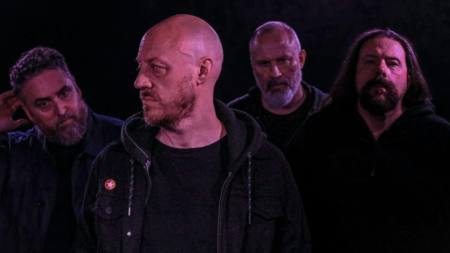
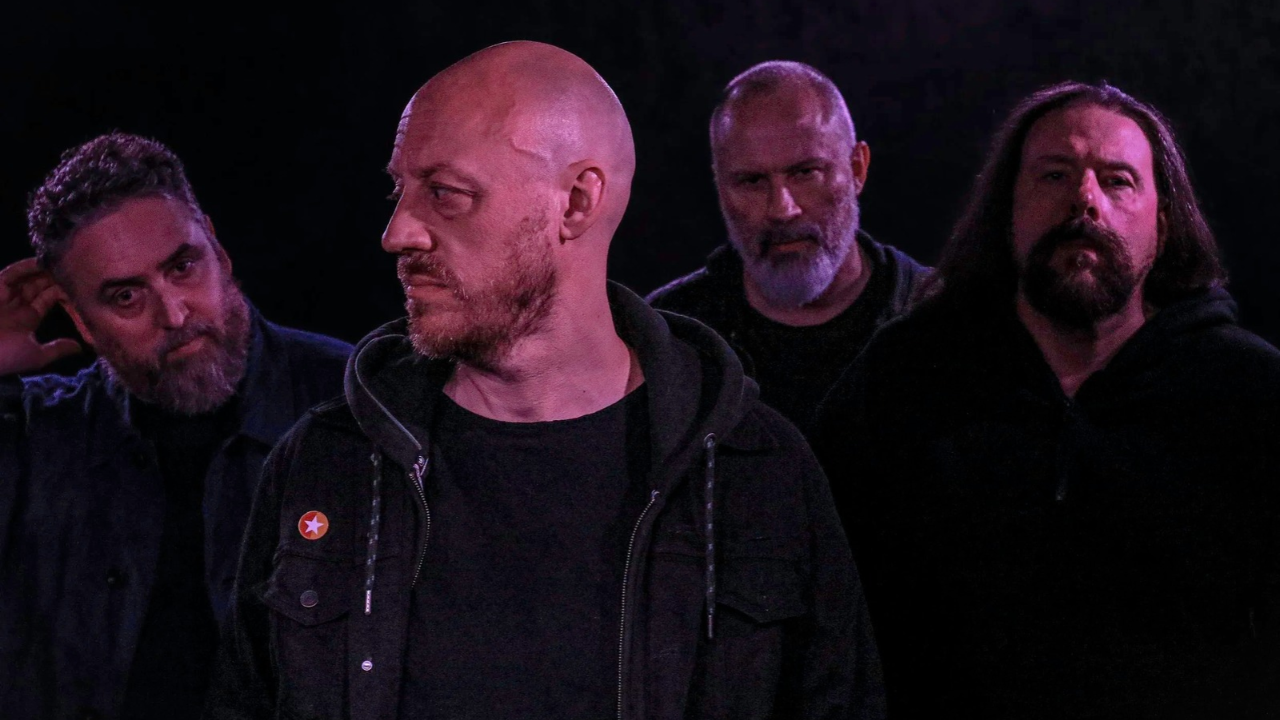
Patrick Walker, the voice and songwriter behind Warning, talks to DEPART a few days before the band’s show at An Club in Athens on November 13. The conversation centres on “Rituals Of Shame”, Warning’s first studio album since 2006’s “Watching From A Distance”. The British musician explains why the new material wasn’t released as 40 Watt Sun and how he views the reputation his older work has built over the years. His answers are short, often sharp, and leave little room for embellishment.
- His only previous show in Greece took place recently in front of a seated crowd, which he doesn’t consider representative.
- “Rituals Of Shame” was written by Walker alone, demoed in June 2025 and recorded in October of the same year.
- Walker denies ever working as an actor and calls the story an overblown myth.
In 2006 Warning released “Watching From A Distance” and not long after, the band faded out. In the years that followed, the record became a reference point for anyone looking for something more human in doom than sheer weight. Five slow, bare songs were written around a deeply personal experience of Patrick Walker’s. Along the way, thousands of listeners loaded them with losses of their own.
Walker spent most of that time with 40 Watt Sun, from “The Inside Room” to “Perfect Light”. In 2017 he took Warning to the Roadburn stage to play the album in full, with no new material to follow. It took until the end of 2024 for him to feel the need to make something heavy again. That urge became “Rituals Of Shame”, the band’s new record.
Ahead of their show at An Club in Athens on November 13, we talked to him about all of it. Walker keeps his answers short and has no problem correcting a question when he disagrees with it. He tears down a myth that has followed him for years, rejects the role of the “wronged party” and shows zero interest in building an image. He also explains how the new album was written almost entirely alone and what drummer Andrew brought to the rehearsals. What follows is a conversation with no polish, much like his music.
Welcome to DEPART. There is an irony in the fact that the record which built your reputation is called “Watching from a Distance”, because that is exactly what you did for eighteen years, watching its myth grow without you while your attention was elsewhere. What is it like to watch something of your own take on a life you do not control, and at what point did that distance stop suiting you?
Patrick Walker (Warning): I’ve just been doing what I’ve been doing for the past twenty years since I made that record. All I’ve really been interested in is my art. Sure, I’ve seen the general esteem and reputation of “Watching from a Distance” snowball and change with the years, but I also know the fickleness and shallowness of tastes and tastemakers, and understand how things come and go, so know to not take anything too seriously.

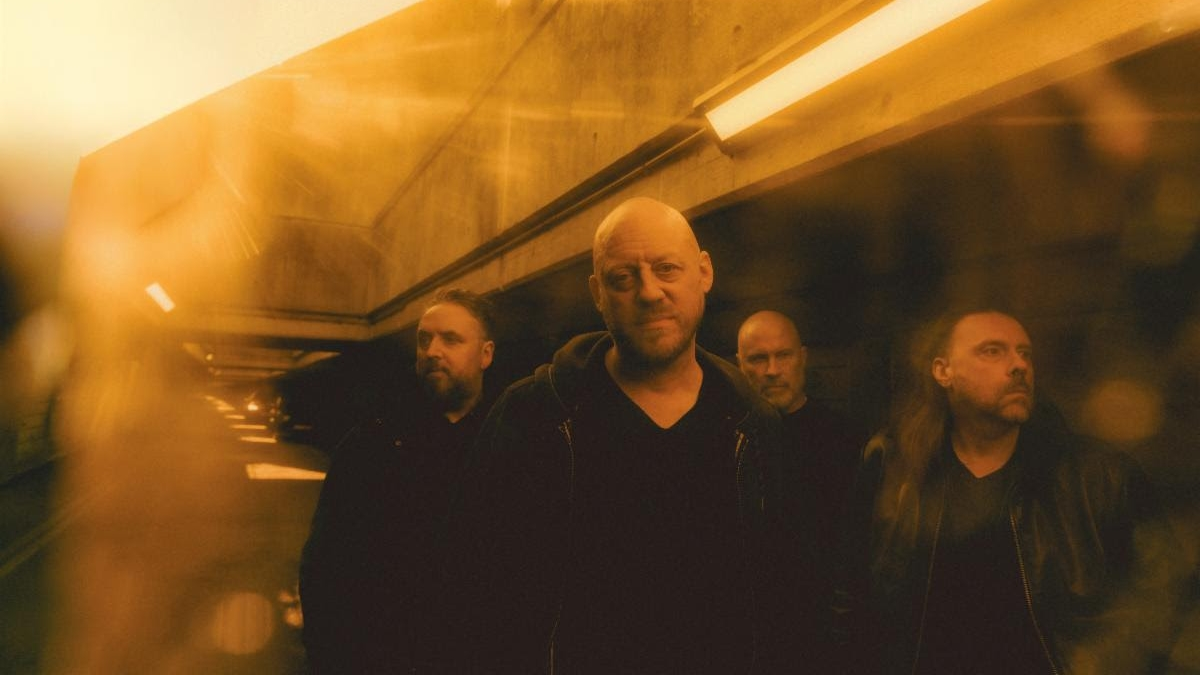
You have said the real successor to “Watching From A Distance” was the first 40 Watt Sun record, and that “Rituals of Shame” follows on from “Little Weight”. If your work is one continuum, then the name on the sleeve is a decision you make somewhere along the way. What exactly determines that a song belongs to Warning rather than anywhere else?
At the end of 2024, I felt like I needed to make a heavy album again. The only significant decision I needed to make was whether to release this as the new 40 Watt Sun record or to put it out under the name Warning. I even toyed with the idea of forming a new band and releasing it under a different name altogether, but it ultimately felt right to treat it as a Warning record. I don’t really know beyond that. It just seemed like the right thing to do.
People have connected you with sorrow and loss, yet shame points inward and you put it right on the sleeve of the record. When did you realise this was your central subject, and how hard was it to write without taking the position of the “wronged party”, facing listeners who might have expected something more familiar?
I disagree with most points of your question. I’ve never written from the position of “the wronged party”. My lyrics have always borne the burden of shame in some capacity, and most themes on this album are themes I’ve dealt with before.
The songs from 2006 were written about a very specific experience of yours, yet twenty years later thousands of people loaded them with their own losses. When you sing them today in front of people crying for their own reasons, whose story are you telling and what does it cost you to step back into that moment every night?
Honestly, I try not to think about it too much. Every person at any concert responds to the music they’re hearing in their own way, and for their own reasons. No two people are hearing any one song the same way. I don’t think there’s any special distinction with anything I’ve ever made.

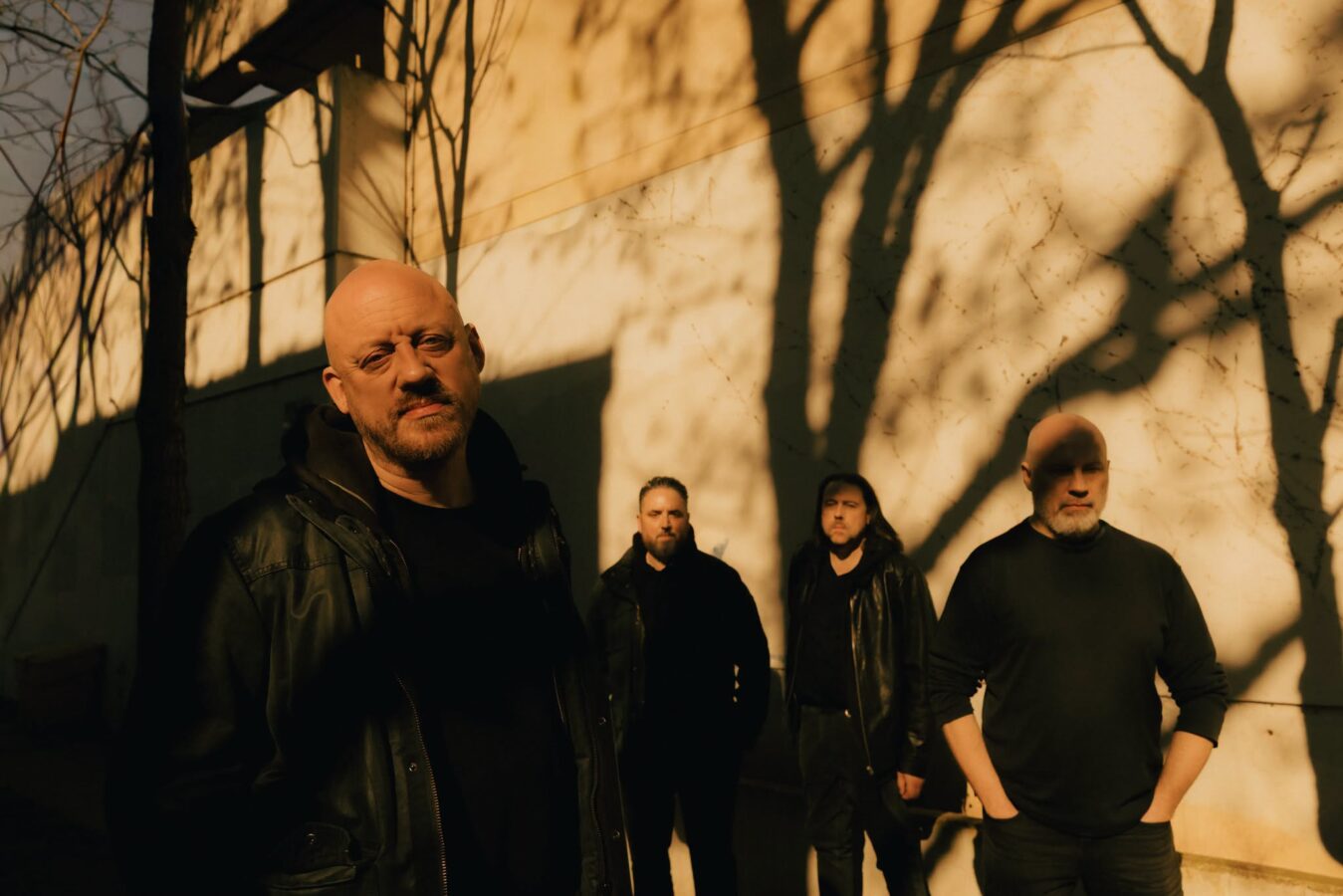
After Roadburn 2017, where you played “Watching from a Distance” in full and released the live album, most would have followed up with a tour and new material, yet you went back to 40 Watt Sun. Why did you feel the timing wasn't right despite the expectations around you, and what changed in you eight years later?
Well, I did in fact tour following the Roadburn show, but I felt no need to make a new Warning record, the songs for “Perfect Light” were beginning to be written at that time, and that was what I was working towards. I didn’t even consider making a Warning record until the beginning of last year, and that for reasons I mentioned above.
There was a period when you set the band aside to work as an actor, a craft that shares with the stage the need to find truth through constant repetition. What did you keep from that experience when you sing, and how do you prevent such personal material from turning into routine or a role?
Patrick Walker (Warning): I never became an actor. This is a much-talked about myth.
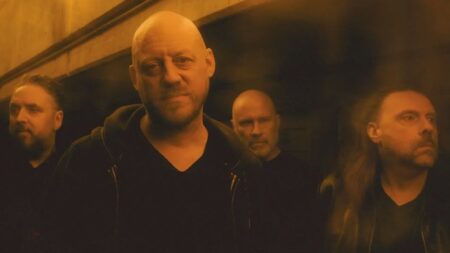
Standing beside you today are musicians who were not there in 2006, while the new material was written with this lineup. How does that balance out in rehearsal between the freedom of the new songs and the old ones, and was there a moment when somebody played something different and changed the way you saw a song?
The songs were written alone, not with the band. I then rehearsed and demoed them with my drummer in June 2025, and the band finally came in a week before recording in October to finalize things. It’s not particularly collaborative, but in the initial rehearsals, the creative talent of Andrew would mean he suggested drum arrangements which transcended my original vision of a song.

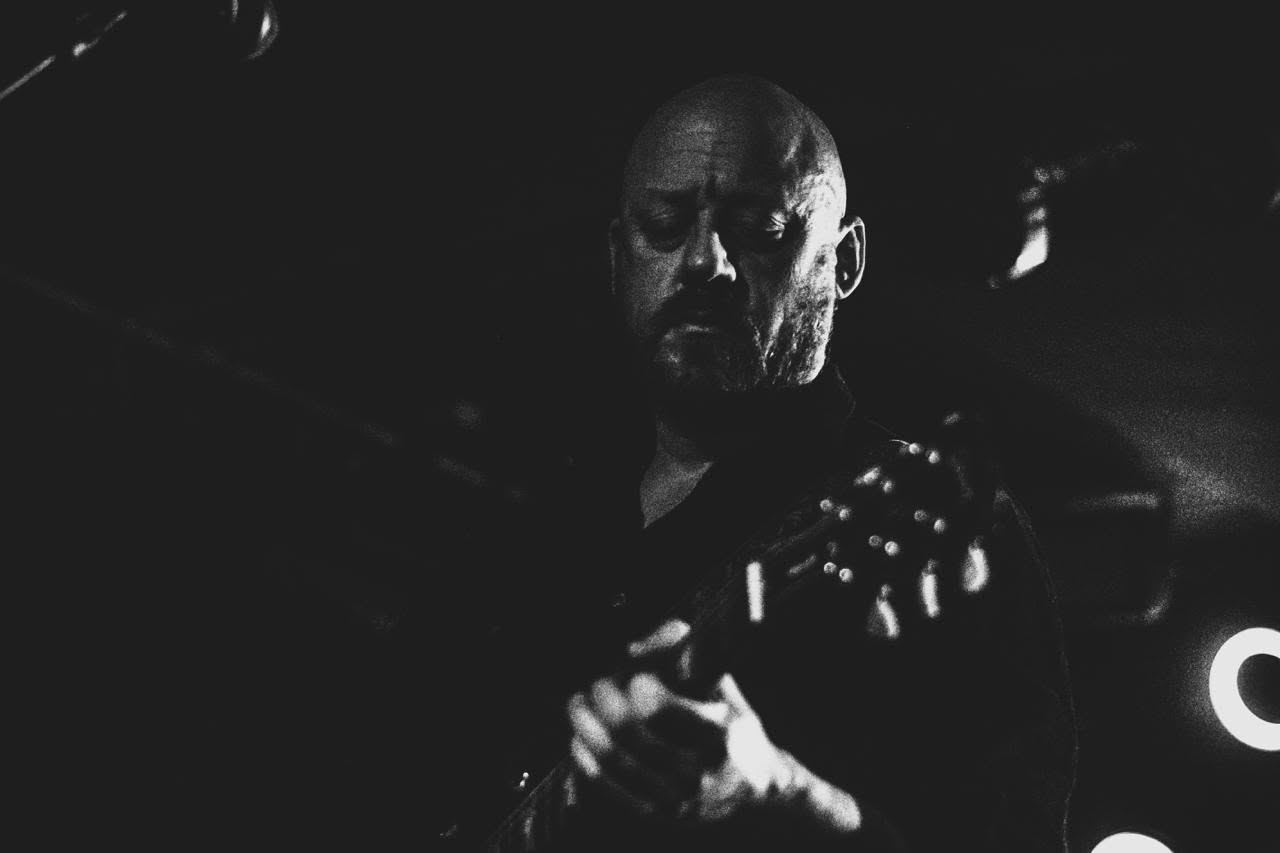
This year you are playing festivals of thousands and on the 13th of November a club in Athens with a few hundred people, which changes the intimacy and atmosphere in the room. What becomes possible on a small stage that gets lost on a big one, what do you know about Greek audiences, and what would you want someone at An Club to take away if they never hear your music again? Thank you very much for your time, best of luck on the tour, and we will see you here.
Large shows aren’t necessarily less intimate but can affect the relationship the audience has with the musicians. It’s often nicer though if I can see people’s faces and establish a closer relationship with an audience. What do I know of Greek audiences? Not a lot, I’ve played there only once before, and fairly recently. It was a nice show, I recall, and fairly “formal” as it was all seated, so possibly not particularly representative. If someone who is at An Club next month never hears anything of mine again, what would I want them to take away from it? Well, I’m guessing they didn’t enjoy it, so I couldn’t care less